How to keep well house pipes from freezing
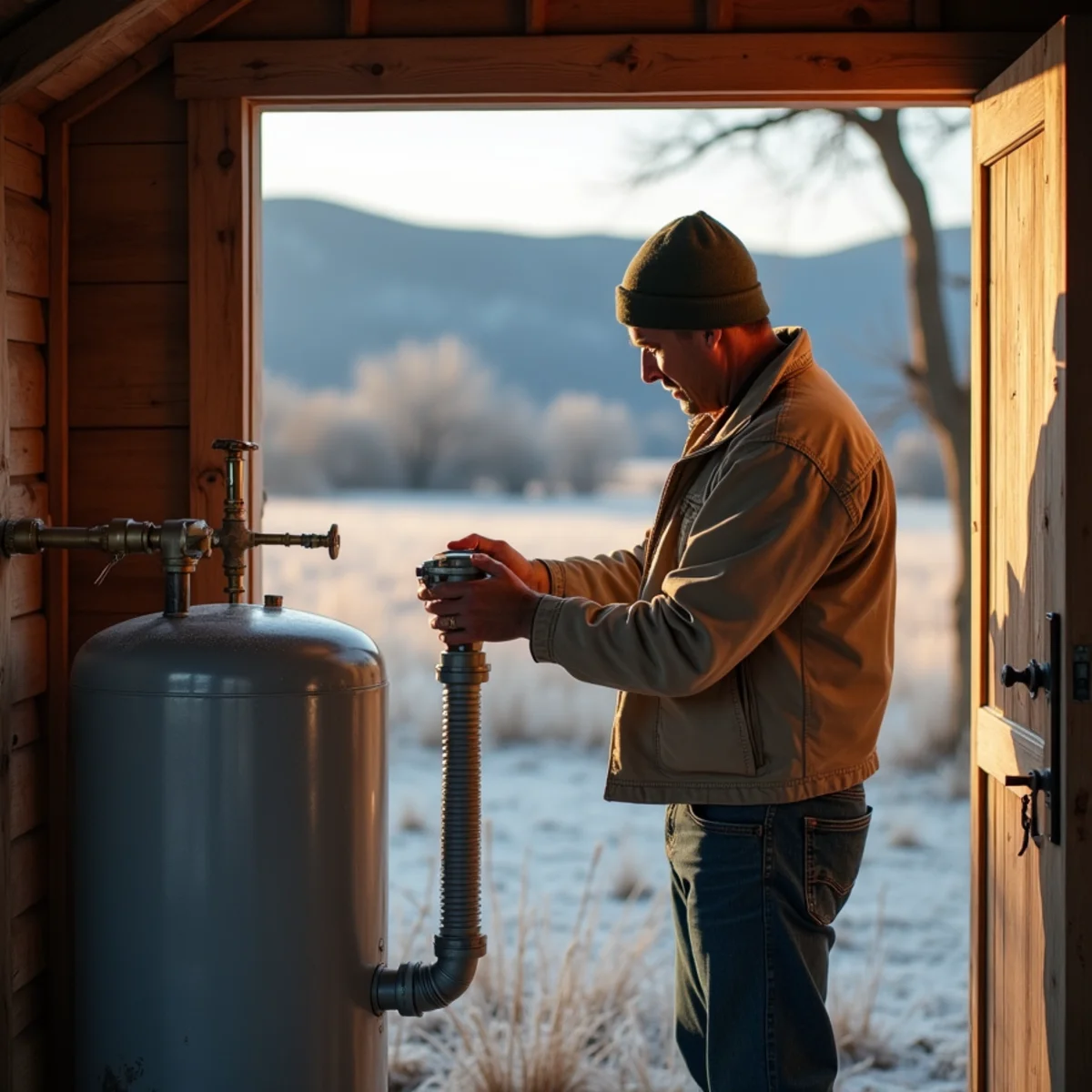
To keep well house pipes from freezing in Texas, do three things before the first hard freeze: seal and insulate the well house so it holds heat, add a small heater with a thermostat that is safe in a damp space, and insulate every exposed pipe, valve and fitting, including the thin tube under the pressure switch.
Then plan for a power outage, because that is when most Hill Country well systems freeze. The rest of this guide covers the house itself, the yard lines and what to do if a pipe freezes anyway.
Why well houses freeze first in the Hill Country
Hill Country winters are mild most days, then a norther blows through and the temperature drops hard overnight. The February 2021 storm showed how bad it can get: days below freezing, power out across Texas, and well pumps that could not run. Many well houses are small sheds with a gap under the door and no insulation. Water sits still in the pressure tank, the switch and the pipes, with nothing moving to slow the freeze.
Elevation adds to it. Medina sits at about 1,447 feet, higher and colder than Bandera, and the ranches, river cabins and camps up there tend to see the worst of a cold night. If you own property in that part of the county, our page on plumbing service in Medina covers freeze calls along the river prongs.
Need a plumber now? A real person answers, day or night.
Answering 24/7Every plumber we send is licensed and insured in Texas.
The parts that break first
Freeze damage in a well system rarely starts with the big pipes. It starts with the small parts that hold a little water and have no insulation:
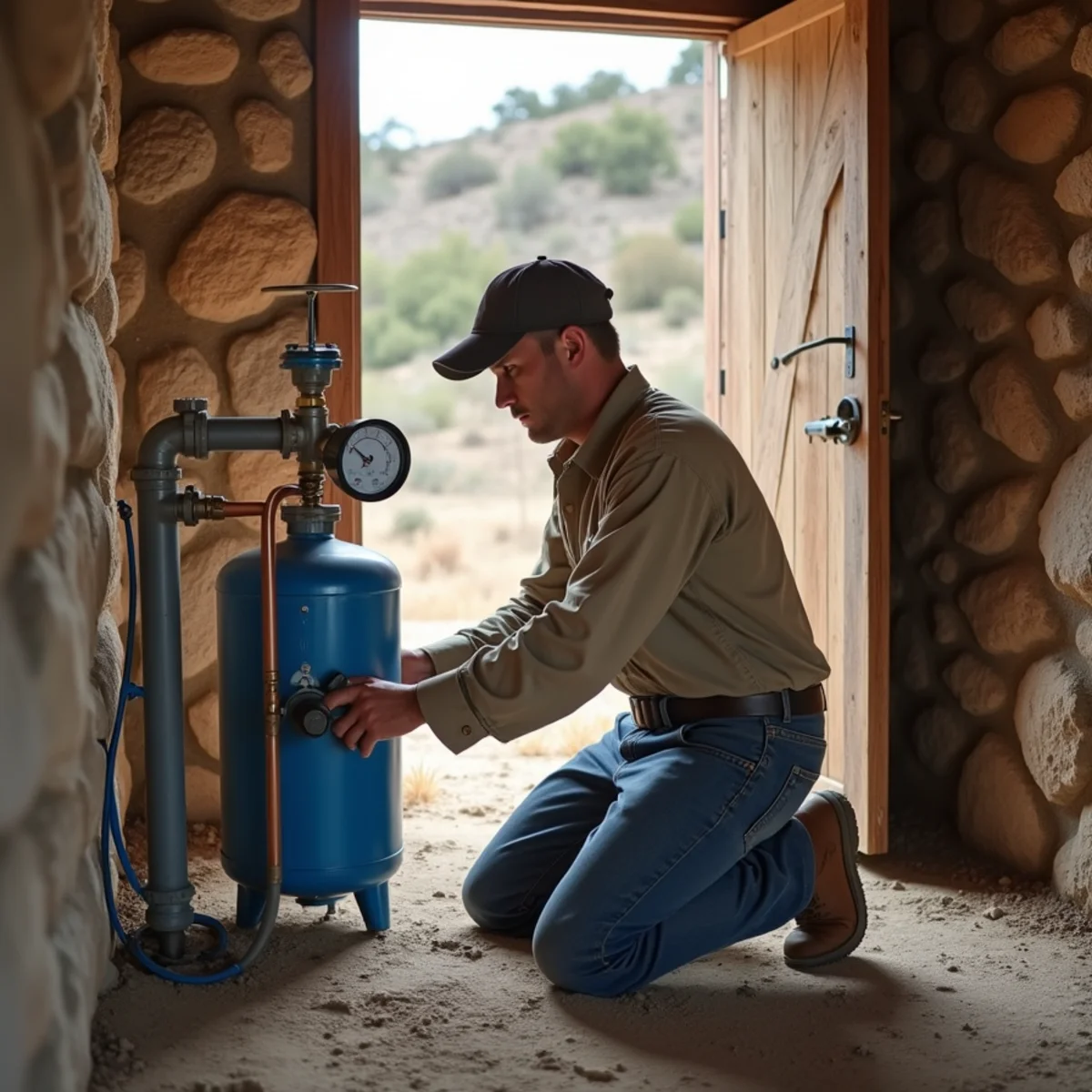
- The tube or nipple under the pressure switch, which can freeze in hours and leave the pump unable to start or stop.
- The pressure gauge.
- The tank tee, the drain valve and any hose bib inside the well house.
- The pipe where it rises out of the ground at the wellhead or enters the well house.
- Filter and softener housings, which are usually plastic.
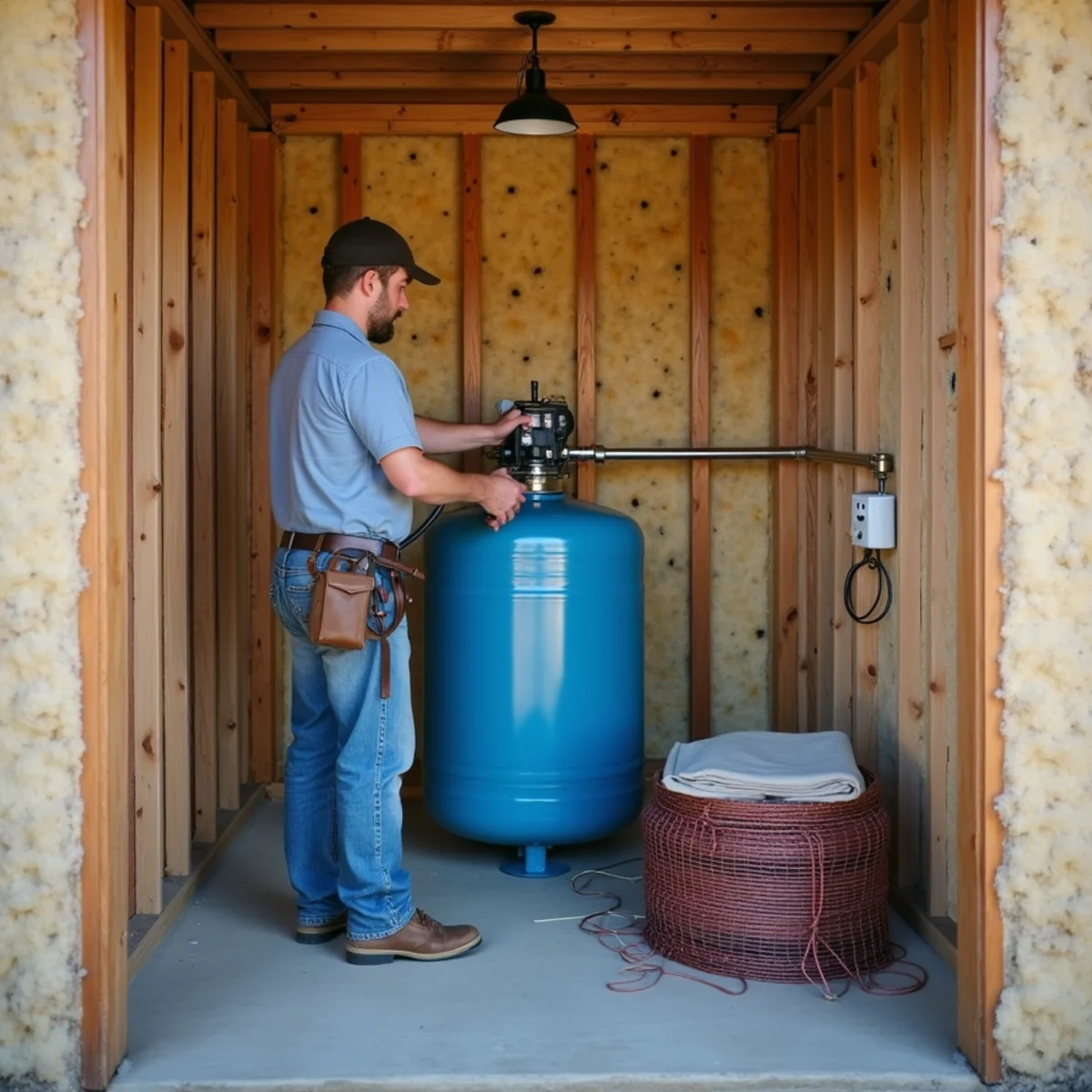
Freeze-proofing checklist for the well house
Seal and insulate the building
- Weatherstrip the door and close the gap at the floor.
- Line the walls and ceiling with rigid foam board.
- Seal holes where pipes and wires come through.
Heat it safely
A small electric heater with a thermostat and a tip-over shutoff, rated for damp locations and plugged into a GFCI outlet, is the safest choice. A thermostatically controlled outlet that switches on near freezing works well for this. Heat lamps are a real fire risk in a small wooden shed full of dust and insulation, and a fuel-burning heater has no place in a closed well house.
Insulate pipes, valves and the switch tube
Slide foam sleeves over every exposed pipe and wrap the valves and tank fittings. Where a run is especially exposed, add heat cable rated for that pipe material, installed to the maker's instructions and plugged into a GFCI outlet. Keep the pressure switch cover reachable so a plumber can still service it.
| Part | Why it freezes | Fix before winter |
|---|---|---|
| Pressure switch tube | Small, holds little water, freezes fast | Foam wrap or heat cable; keep the heater nearby |
| Pressure gauge | Thin housing on an exposed tee | Insulate around it; replace it if cracked |
| Wellhead riser and line into the well house | Above ground and in the wind | Insulated box or sleeve down to the ground |
| Hose bib in the well house | Valve body holds water | Use a frost-free type, or shut it off and drain it |
| Filter and softener housings | Plastic that cracks when water expands | Keep inside the heated space, or drain before a hard freeze |
Need a plumber now? A real person answers, day or night.
Answering 24/7Every plumber we send is licensed and insured in Texas.
Pipes under the house: pier-and-beam and manufactured homes
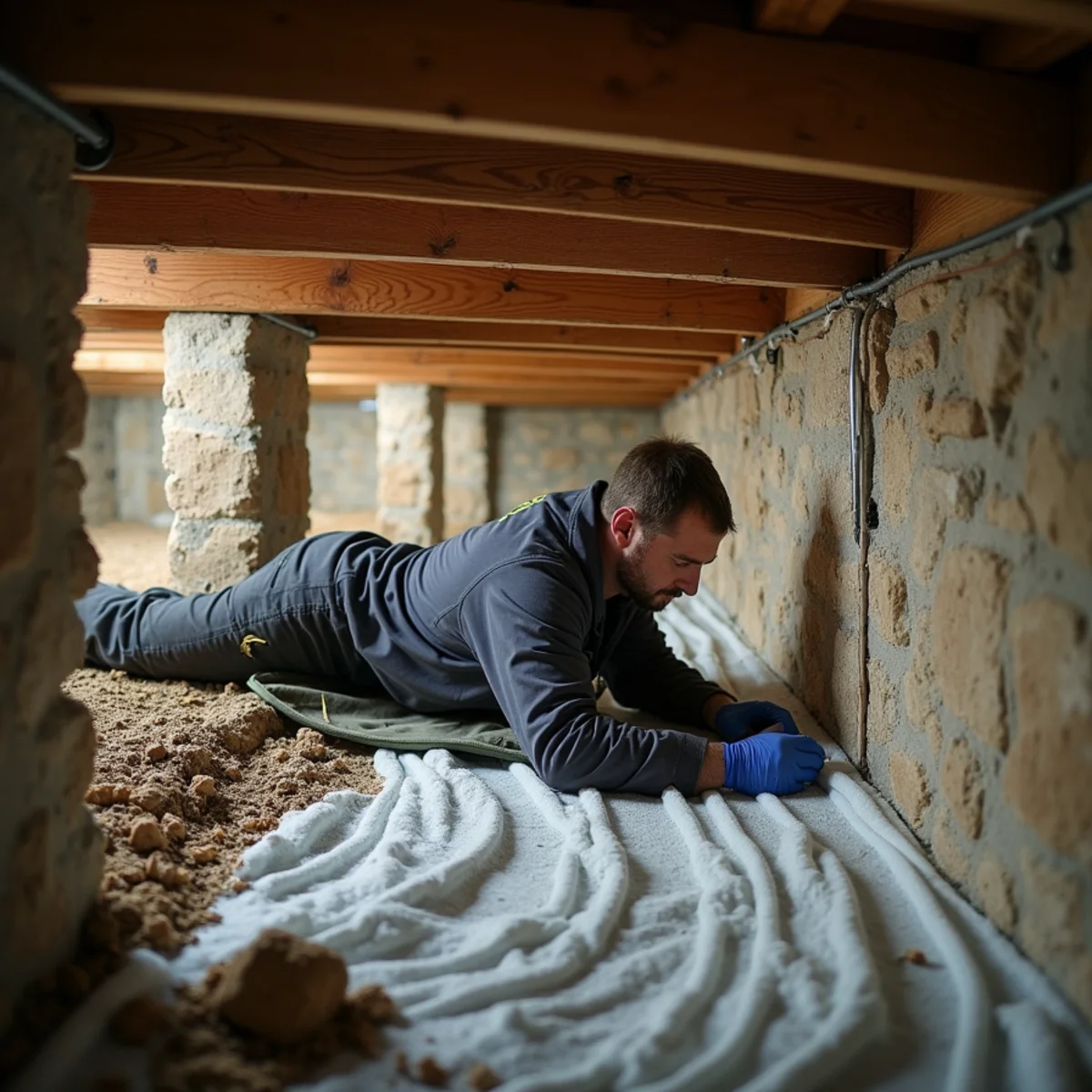
Older homes, cabins and manufactured homes in Bandera County often sit on piers, with supply lines running through open air under the floor. Wind across those lines does the damage.
- Close foundation vents and repair gaps in the skirting before a freeze.
- Insulate exposed runs, especially where lines come up through the floor.
- Open sink cabinet doors on outside walls so house heat reaches the pipes.
- On the coldest nights, let faucets on long or exposed runs drip, hot and cold.
Yard lines, hose bibs and barn lines
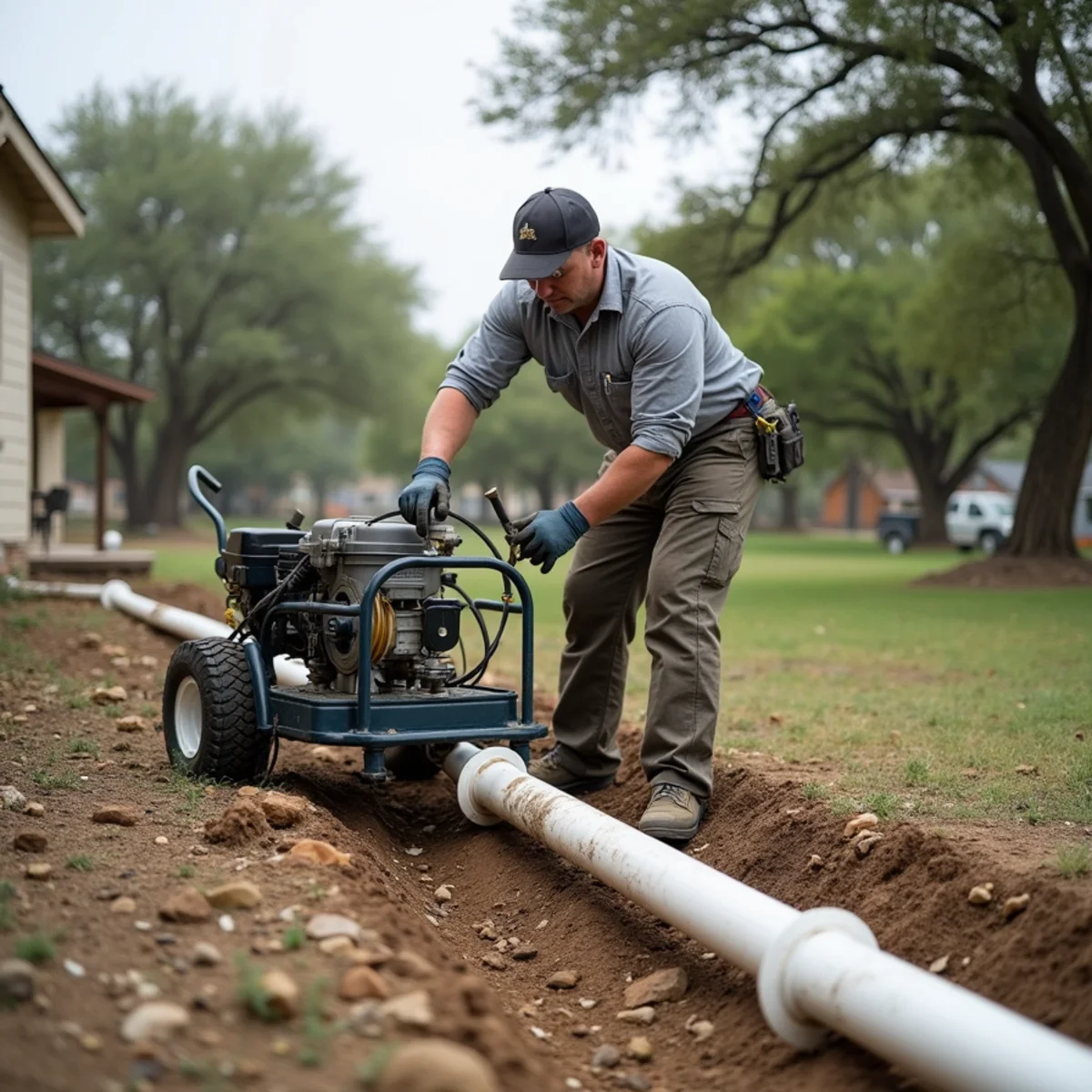
Buried lines are usually safe below the frost. The weak points are where they come up: risers, yard hydrants, trough floats and hose bibs. Shallow limestone also means some lines here were never buried very deep.
- Disconnect hoses. A hose left on traps water and can split even a frost-free faucet inside the wall.
- Shut off and drain lines to barns, guest cabins and troughs you will not use.
- Replace old hose bibs and hydrants with frost-free types. A plumber can do that as part of outdoor faucet and yard hydrant repair.
Need a plumber now? A real person answers, day or night.
Answering 24/7Every plumber we send is licensed and insured in Texas.
When the power goes out
No power means no pump, no well house heater and no heat cable. Plan for it before the storm.
- Know where the pump breaker and the main valve after the pressure tank are, and label them.
- If a long outage in hard cold is likely and the house will get cold, shut off the pump breaker, open the lowest faucet and let the lines drain.
- If you use a generator for the well pump, have an electrician connect it through a transfer switch or interlock. Never feed power back through an outlet.
If pipes freeze anyway
- Open the faucet on the frozen line so melting water has somewhere to go.
- Warm the pipe slowly with a hair dryer or a space heater kept at a safe distance. Never use an open flame or a torch.
- If the pump runs nonstop after a freeze, turn it off at the breaker. The switch tube may be frozen, or a line may have split.
- If a pipe has burst, keep the pump off and see our guide to frozen and burst pipe repair. If the taps are dry after the thaw, work through our no-water checklist for homes on a well.
For a cabin or ranch house that sits empty all winter, the safest plan is a full winterization: pump off, pressure tank and lines drained, and the water heater shut down and drained. The plumber we send can handle that along with any well pressure tank and well line work.
Need a plumber now? A real person answers, day or night.
Answering 24/7Every plumber we send is licensed and insured in Texas.
From the plumber's side: freeze details most checklists skip
These are the spots a plumber looks at when a well system froze even though the owner "did everything":
- The pressure tank itself. A big steel tank holds cold. An insulating blanket or a jacket made for pressure tanks helps it ride through a night in an unheated well house, as long as the air valve and gauge stay reachable.
- How the line leaves the well. Most modern wells use a pitless adapter, which takes the water line out of the casing below ground where it stays warmer. Older setups that run the line up and out at the top, or sit in an open well pit, freeze much more easily.
- No well house at all. A bare wellhead with the pipe and switch out in the open needs an insulated box over it, with room for a small rated heater and access for service. Foam wrapped around the parts alone will not hold through a long freeze.
- Backflow preventers and irrigation. The valves on sprinkler and orchard systems hold water above ground and split easily. Shut them off and drain them before the first freeze.
- The main shutoff. Find it, label it and turn it once in the fall. A valve nobody has touched in ten years tends to break the night you need it.
- North-facing runs. Pipes on the north side of the house and in walls that take the wind are the first to freeze indoors.
Texas A&M AgriLife's Texas Well Owner Network warns that pipes can freeze and burst at 20°F or below, and suggests draining lines back to the wellhead before a long freeze if you cannot keep the well house heated. AgriLife sometimes mentions heat lamps for a poorly insulated well house; if you use one, it must be a listed, guarded fixture kept well away from anything that can burn. A heater rated for damp locations, on a thermostat and a GFCI outlet, is still the safer choice. After any freeze, walk the system once it thaws: look for drips at every fitting, watch the gauge with everything off, and take photos of any damage before cleanup for your insurer.
Bottom line: do the work before the first norther
Freeze damage is cheaper to prevent than to repair, and the well house is where to start. Seal it, heat it safely, insulate the small parts and have a plan for an outage. If you want help getting a well house, cabin or ranch ready before winter, call (858) 363-8298. We answer 24/7, and you get a price before work starts.
Common questions
Should I drip my faucets in a freeze if I am on a well?
Yes, on the coldest nights, for faucets on outside walls or over a crawlspace. Moving water is slower to freeze. On a well there is no water bill, but the pump will cycle now and then and the septic system takes the extra water, so a thin, steady drip is enough. Dripping does not help if the power is out and the pump cannot run.
Is a heat lamp safe in a well house?
Heat lamps are a real fire risk in a small wooden well house. They run very hot and often sit close to wood walls, insulation and dust. A small heater rated for damp locations, with a thermostat and a tip-over shutoff, plugged into a GFCI outlet, is safer. Keep anything that can burn well away from it, and never run a fuel-burning heater in a closed shed.
How cold does it have to get before pipes freeze?
Pipes in an unheated well house, attic or crawlspace are at risk once temperatures fall into the low 20s for several hours, and sooner when wind blows across them. Insulated pipes inside a heated house usually hold out longer. How long the cold lasts matters as much as how low it goes, which is why multi-day events like February 2021 break so many pipes.
Should I turn off my well pump during a freeze?
Not if someone is home and the power is on. A running pump keeps water moving and lets you drip faucets. Turn it off at the breaker if a pipe bursts, if the pump runs nonstop because the switch tube froze, or if you are leaving the property and have drained the lines. If the power goes out, the pump stops anyway, so open a low faucet to drain what you can and protect the tank and well house until power returns.
Can a plumber winterize a cabin or seasonal property in Medina?
Yes. Winterizing a seasonal place usually means shutting off the well pump, draining the pressure tank, water heater and lines, and protecting the drain traps so nothing holds water through a freeze. Medina sits higher and colder than Bandera, so river cabins and camps there benefit most. Call before the first hard freeze, and you will get a price before work starts.
Still have a question? Ask the person who answers the phone.
Answering 24/7Every plumber we send is licensed and insured in Texas.